Get Screened: Schedule a Colonoscopy
It's easy with direct access appointments
If you're healthy and meet the medical guidelines, you can call direct to schedule a screening colonoscopy, after your provider submits your referral to our office . We've made scheduling easier so you do not need to first schedule an office visit with a gastroenterologist. Many patients appreciate this option as they save on co-pay and time away from work.
Are you eligible to schedule a Direct Access Colonoscopy?
You meet one of the following criteria: |
None of the following apply to you: |
|
|
If you meet the medical eligibility requirements above:
Step 1: Ask your primary care provider to refer you for a colonoscopy (the fax number is 425.690.9088).
Step 2: Call 425.690.3488, and ask to schedule a colonoscopy. You will speak with a scheduler that will review the screening criteria and schedule you for your colonoscopy.
Step 3: Carefully read and follow the instructions given to you by the scheduler. These instructions will include your procedure location, check-in date/time, bowel prep instructions, and our escort policy. If a prescription bowel prep was ordered (such as Suprep), please pick it up from your pharmacy.
If you do not meet the medical eligibility requirements:
You are not eligible for a direct access screening and will be scheduled for a GI consult prior to scheduling you for a colonoscopy.
Learn more about colonoscopies:
What is a colonoscopy?
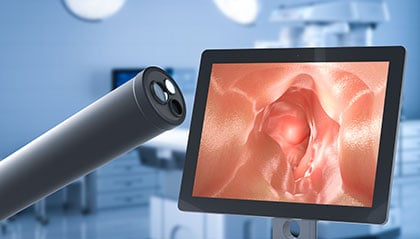
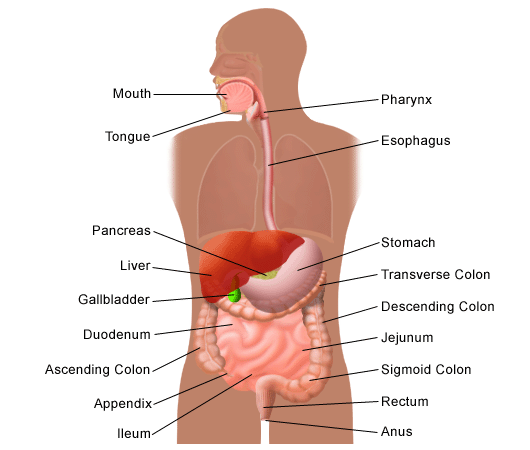 Colonoscopy is a diagnostic procedure that allows the doctor to examine the entire length of the large intestine. Colonoscopy can assist in identifying problems with the colon, such as early signs of cancer, inflamed tissue, ulcers, and bleeding. Colonoscopy is also used to screen for colorectal cancer, the second leading cause of cancer-related deaths in the U.S. and the fourth most common cancer in men and women.
An endoscope, which is a long, flexible, lighted tube (also called a colonoscope), is inserted through the rectum into the colon. In addition to allowing visualization of the internal colon, the colonoscope enables the doctor to irrigate, suction, inject carbon dioxide (air), and access the bowel with surgical instruments. During a colonoscopy, the doctor may remove tissue and/or polyps for further examination and possibly treat any problems that are discovered.
Everyone age 45 or older should have some form of colon cancer screening. Those with a strong family history of colon cancer may need screening earlier than 45. Colonoscopy is a form of colon cancer screening that has the advantage of finding tumors and potential tumors the earliest. Early tumors can also be removed during a colonoscopy. If your colonoscopy is normal and you have no family history, then you will not need another exam for 10 years.
To learn about other options for colorectal cancer screening read What You Need to Know: Colorectal Cancer.
Specialists called gastroenterologists perform endoscopy procedures, as well as some general surgeons and surgeons who specialize in colon and rectal surgery.
Meet the specialists who perform Direct Access Colonoscopies at Valley Medical Center.
7 Reasons to get Screened for Colon Cancer
|
Dr. Bernier addresses the questions below in this video:
1. How does colorectal cancer screening save lives?
2. What are the new screening guidelines and age recommendations?
3. What are the options for screening including the stool card and colonoscopy and how do they work?
4. What are some considerations and limitations with each of the tests?
5. So what’s the big deal about the bowel prep for a colonoscopy?
6. What are polyps and why would they be removed during a colonoscopy? 7. What lifestyle changes can we make to reduce our risk of colorectal cancer?
8. What are the signs & symptoms of colorectal cancer?
9. How can a patient get referred for screening at Valley?
In this episode of the We Are Valley Podcast, we talk with Dr. Brandon Teng, gastroenterologist at Valley Medical Center, about why screening guidelines were lowered from age 50 to 45, how colonoscopies help detect and prevent colon cancer, and what patients can expect before, during, and after the procedure.